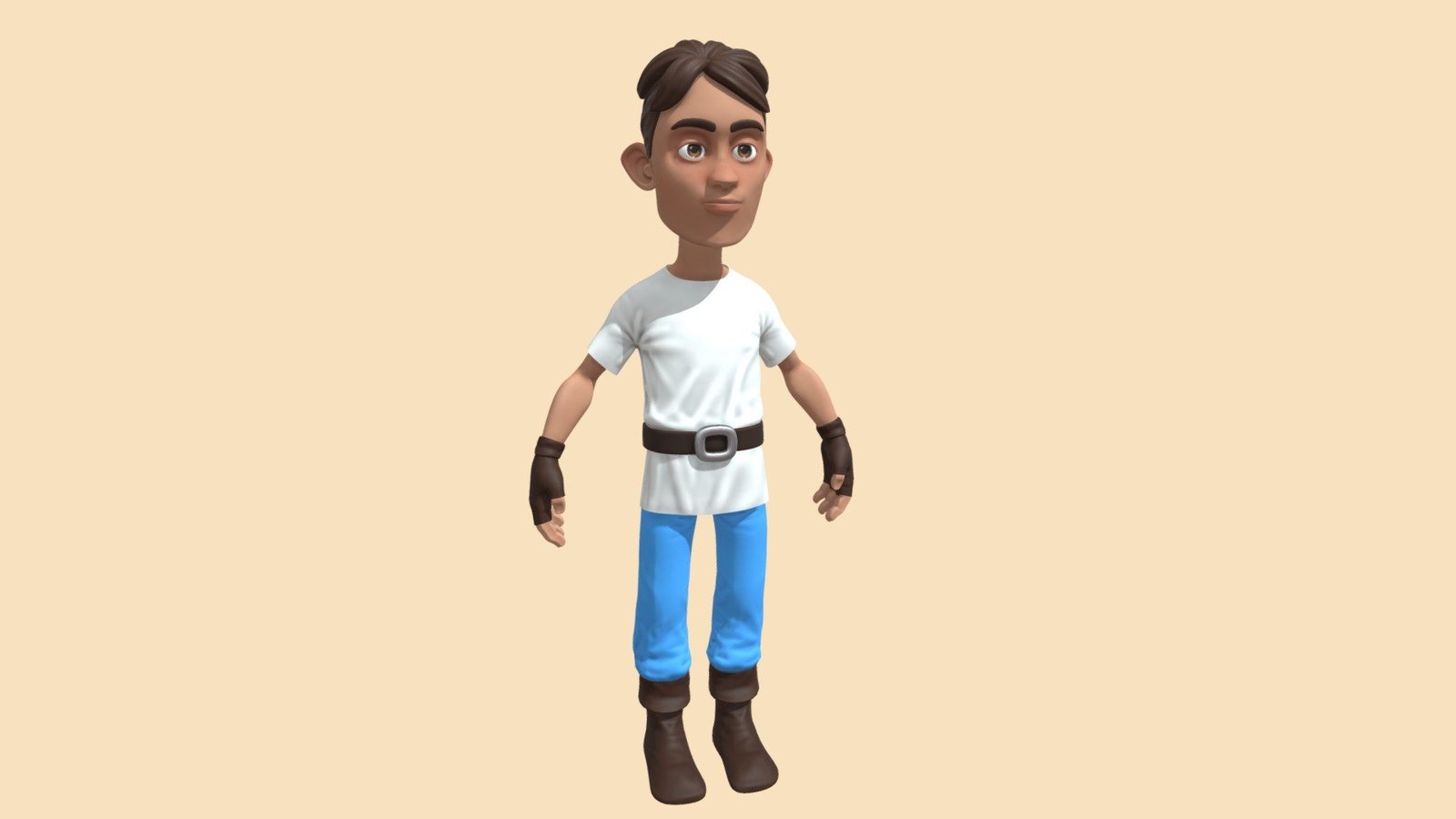
Creating unique 3D characters for animation is an exciting yet challenging task that requires creativity and skill. As a 3D artist, you want your characters to stand out, engage audiences, and bring stories to life. This article will guide you through the essential steps and considerations for crafting memorable 3D characters.
Understanding Character Design
The foundation of creating unique 3D characters for animation begins with character design. This step involves conceptualizing your character’s appearance, personality, and backstory. Start by brainstorming ideas that resonate with the story you want to tell. Ask yourself questions about the character’s role, traits, and motivations. For instance, is your character a hero, a villain, or a comic relief? Understanding these aspects will help you shape a character that fits well into the narrative.
Sketching and Concept Art
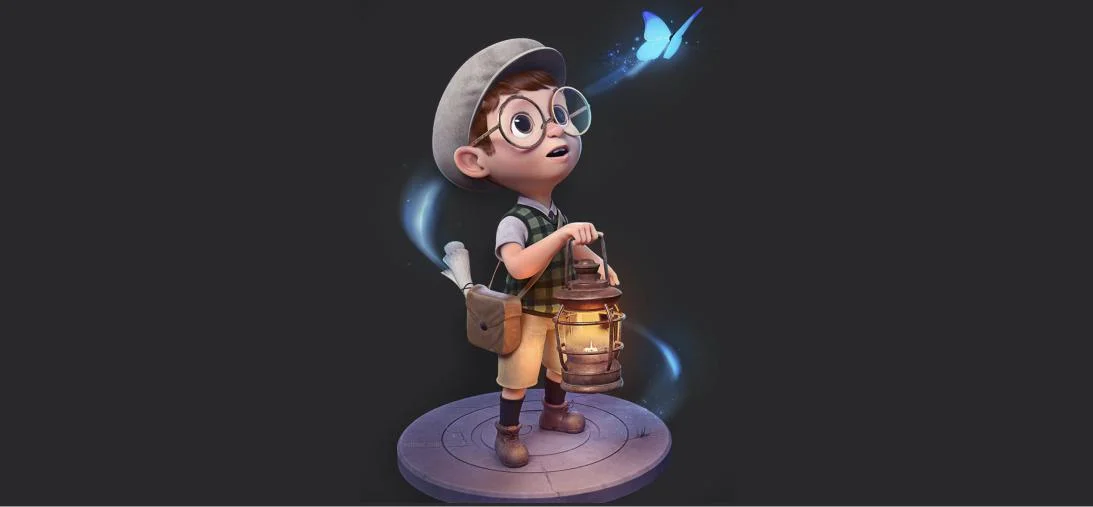
Once you have a clear vision, it’s time to move on to sketching and concept art. This phase allows you to visualize your ideas and experiment with different designs. Use traditional drawing methods or digital tools to create rough sketches. Focus on aspects like body shape, facial features, and clothing. Don’t hesitate to try multiple designs; the goal is to find a unique look that captures your character’s essence. Remember, this is a crucial step in creating unique 3D characters for animation, as it lays the groundwork for your 3D model.
Choosing the Right Tools
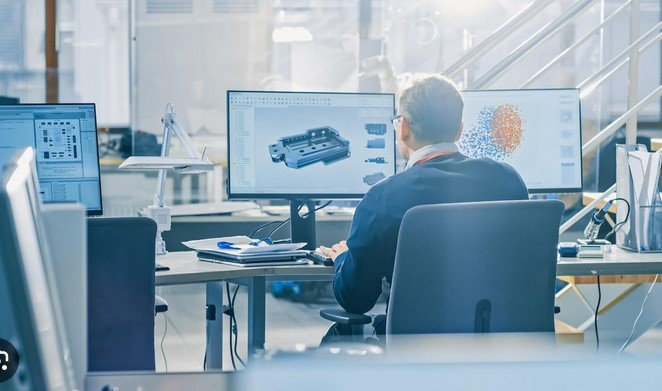
To create unique 3D characters for animation, you’ll need the right software tools. Popular 3D modeling software includes Blender, Maya, and ZBrush. Each of these programs offers unique features for modeling, texturing, and rigging. Take the time to learn the software you choose, as mastering the tools will significantly impact the quality of your character. Many online tutorials and resources are available to help you get started.
Exploring Data, Design, and Entertainment
At Geometric Informatics, precision and structure meet creativity and exploration. In a similar way, the top Australian casino experience brings together strategy, design, and digital innovation for players seeking both excitement and sophistication. Its platform offers a seamless interface that mirrors the balance of analytics and aesthetics we value here. It’s a prime example of technology enhancing user engagement in the modern digital world.
3D Modeling Basics
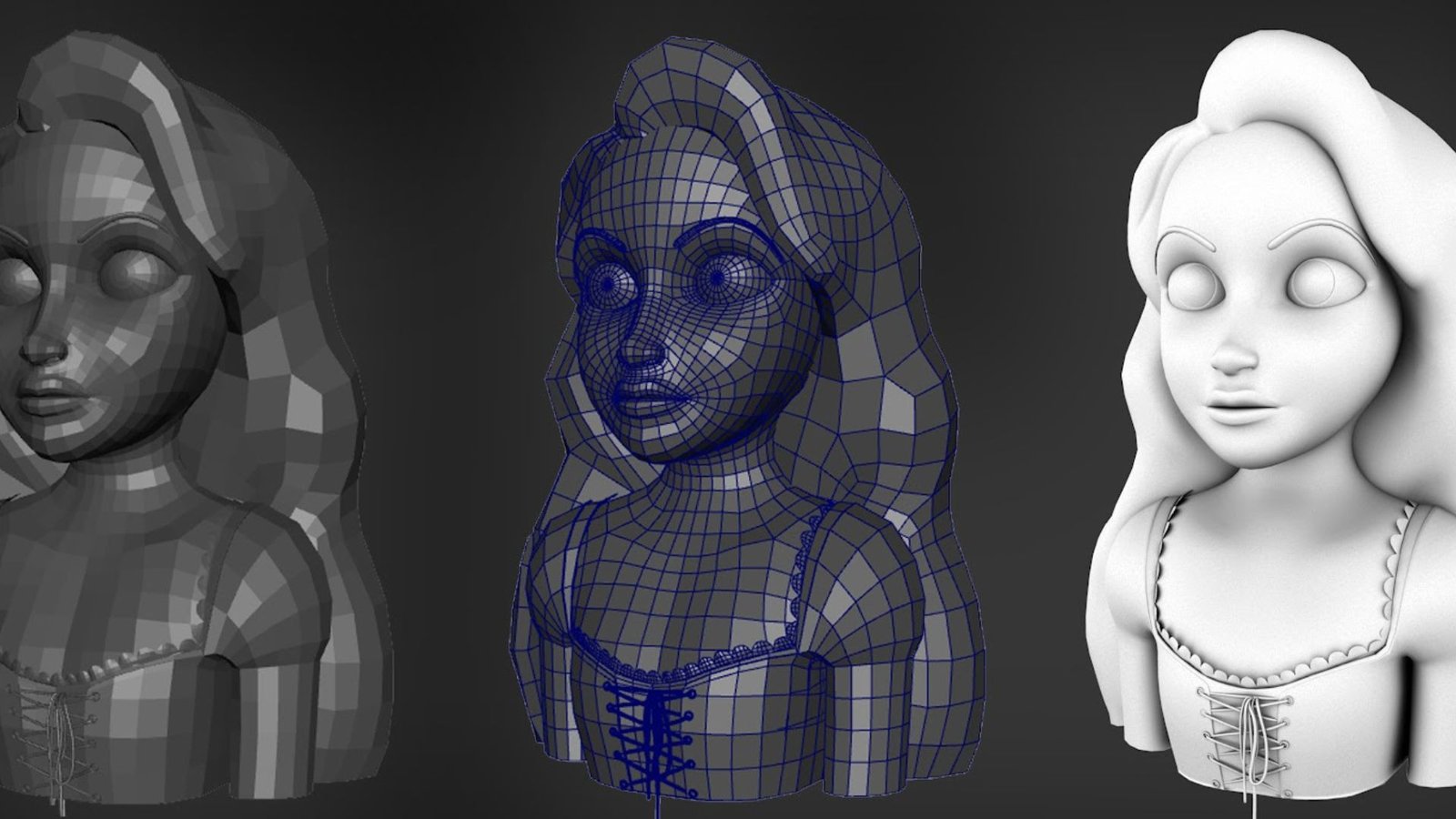
With your sketches and tools ready, you can start the 3D modeling process. Begin by creating a base mesh, which serves as the foundation for your character. Use polygon modeling techniques to shape the body and features. Focus on getting the proportions right and ensuring that your character has a solid structure. As you model, keep referring to your concept art to stay aligned with your original vision. This attention to detail is essential for creating unique 3D characters for animation that are visually appealing.
Texturing and Coloring
After modeling, the next step is texturing and coloring your character. Texturing adds depth and realism to your 3D model. Use UV mapping techniques to apply textures accurately. Consider the materials you want to depict, such as skin, clothing, or armor. Choose colors that enhance your character’s personality and fit the overall aesthetic of the animation. This step is crucial for making your character vibrant and lifelike.
Data-Driven Sports Engagement
Analytics enthusiasts often appreciate structured breakdowns of betting platforms and their reliability. The resource online sports betting provides an organized overview of trusted sites. It’s designed for users who value well-presented, factual guidance.
Rigging for Animation
Rigging is a critical process when creating unique 3D characters for animation. This step involves adding a skeletal structure to your model, allowing it to move realistically. Create a rig that matches the anatomy of your character and ensures smooth movement. Pay attention to the joints and control points, as these will determine how your character poses and animates. A well-rigged character is essential for believable animations.
Animating Your Character
Once your character is rigged, it’s time to animate. Use keyframes to create movement sequences that bring your character to life. Start with basic animations like walking, running, or jumping. Focus on timing and fluidity to ensure your character moves naturally. Additionally, consider adding facial animations to convey emotions effectively. This is where your character truly becomes unique and engaging for the audience.
Testing and Refining
After animating, it’s essential to test and refine your character. Play back your animations and look for any unnatural movements or glitches. Make adjustments to ensure that your character behaves as intended. Don’t hesitate to seek feedback from peers or mentors, as they can provide valuable insights that enhance your work. Refining your character is crucial for ensuring it resonates with audiences.
Bringing animated characters to life requires the same precision that top gaming platforms employ when selecting their offerings. Just as animators meticulously craft every detail of their 3D creations, players often seek out reliable platforms like newzealandcasinos best payout casinos for optimized experiences.
At Geometric Informatics, we understand that excellence in digital creation—whether in character animation or user interface design—stems from attention to detail and performance-driven results.
Our latest post, “Creating Unique 3D Characters for Animation,” explores how innovative modeling techniques can set your projects apart, much like how discerning users choose platforms based on quality and reliability.
Showcasing Your Character
Finally, once you have created and refined your unique 3D character for animation, it’s time to showcase your work. Consider creating a demo reel or portfolio that highlights your character in various poses and animations. Share your work on social media platforms, art communities, and animation forums to reach a wider audience. Engaging with others in the industry can open doors for collaboration and new opportunities.
Conclusion
Creating unique 3D characters for animation is a rewarding journey that involves creativity, technical skill, and a deep understanding of character design. By following these steps—from conceptualization to showcasing your work—you can develop characters that captivate audiences and enhance storytelling. Remember to be patient with yourself, continuously learn, and enjoy the process of bringing your characters to life.